


Today, planovalgus deformity of the foot is one of the most common problems in trauma and orthopedics.This pathology occurs in both children and adults.However, it tends to progress over time and cause changes in other joints, as well as the spine.This significantly reduces the quality of life and can even cause the development of osteoarthritis of the ankle, knee, hip, as well as diseases and curvatures of the spine.Therefore, it is important not only to promptly diagnose planovalgus foot deformity, but also to begin treatment immediately.This will stop the progression of the pathology.But in the later stages of development, the situation can only be corrected by surgery.
What is planovalgus foot deformity?
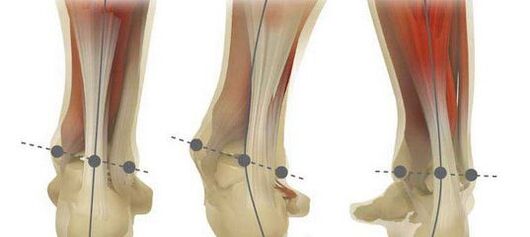
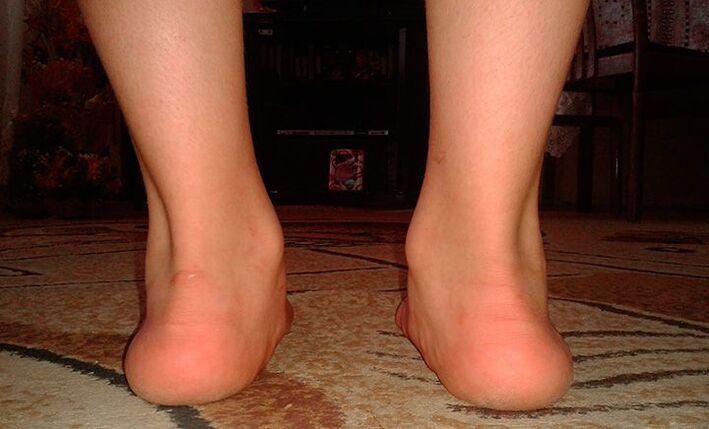
Plano-valgus deformity of the foot is a change in the structure of the foot, in which a decrease in the size of its longitudinal arch occurs against the background of impaired function of the tendon of the posterior tibial muscle.As a result, the axis of the foot becomes deformed.This is accompanied by a lowering of its middle part and a turn of the heel towards the outside with its inner part adjoining the support surface.In other words, the foot rolls inward, flattens, and in severe cases, an X-shaped curvature of the legs is observed.This can be seen by the presence of a fairly large gap between the heels when you take a standing position with your ankles touching.
According to various authors, a similar problem occurs in 15-58% of people.
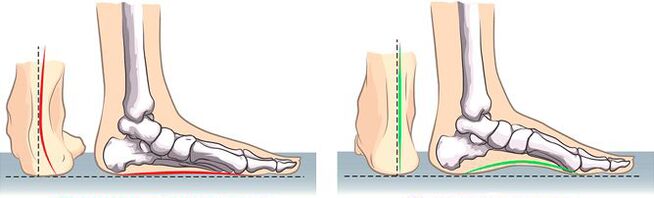
Plano-valgus deformity of the foot leads not only to the appearance of a pronounced aesthetic defect, but also to the development of a number of complications.These are :
- Bursitis is an inflammation of the synovial bursae of the joints of the foot.This is accompanied by redness of the skin at the projection of the affected joint, swelling, and pain which tends to intensify under mechanical action.
- Osteoarthritis – degenerative-dystrophic changes in cartilage tissue, accompanied by its thinning and the appearance of gradually increasing pain.Subsequently, the formation of osteophytes is observed on the articular surfaces of the bones until they fuse together and immobilize the joint.In case of planovalgus deformity of the foot, osteoarthritis can affect not only the joints of the foot, but also the joints of the ankle, knee and hip.
- Heel spur is the consequence of excessive stretching of the plantar fascia and the formation of a protrusion on the side of the heel bone, which leads to sharp pain in the heel area when walking.This is often accompanied by inflammation of the Achilles tendon.
- Osteochondrosis consists of degenerative-dystrophic changes in the intervertebral discs, which lead to a decrease in their height and create the prerequisites for the formation of intervertebral protrusions and hernias.
- Curvature of the spine - can manifest itself as a deepening of physiological curves (kyphosis, lordosis) or the development of scoliotic deformity.
Reasons
The central link in the development of the disease is the rotation (rotation) of the talus in the horizontal and sagittal plane.This leads to changes in the support points of the foot and a flattening of the arch of the foot.Many factors can contribute, but they are extremely rarely observed in isolation.Most often, the causes of plano-valgus deformity of the foot lie in the combined action of several reasons.The disease can therefore result from:
- congenital connective tissue disorders;
- progression of flat feet of any type;
- injuries to the lower limbs, especially to the bones and ligaments of the feet;
- osteoporosis, that is, a disease accompanied by a decrease in the calcium content of bones, which leads to increased fragility;
- hormonal imbalances caused by endocrine diseases, in particular diabetes mellitus, hypothyroidism, as well as physiological changes during pregnancy and menopause;
- the presence of excess weight and especially obesity, caused by increased load on the foot and excessive stretching of muscles and ligaments;
- neurological disorders, including polio, cerebral palsy;
- rickets;
- excessive stress on the feet due to the need to stand, walk or engage in heavy physical labor for a long time;
- wearing poorly chosen shoes, that is, heels that are too narrow and/or high, which leads to poor distribution of the load on the foot;
- foot abnormalities.
In the presence of congenital developmental anomalies, as well as hyperelasticity of the foot of hereditary origin, planovalgus feet can attract attention almost immediately after the birth of the child.But most often the pathology is diagnosed when the baby begins to walk.Often in such situations, the disorders quickly worsen due to the choice of wrong shoes, insufficient physical activity or, conversely, excessive and inappropriate physical activity.
In most cases, planovalgus foot deformity develops during childhood.If during this period the disorder was not noticed and corrected, the disease remains with the person and tends to progress in the future when favorable conditions are created.In adults, planovalgus deformity of the foot most often worsens during pregnancy or due to weight gain, generally associated with a sedentary lifestyle.
Symptoms of plano-valgus foot deformity
Planovalgus deformity of the foot is characterized by a progressive increase in the intensity of symptoms.Therefore, if initially the pathology manifests itself only in minor discomfort, then in later stages its manifestations can become an obstacle to an active life or even significantly complicate simple movement.The disease is characterized by:
- foot pain, especially in the back, worse after prolonged standing, walking, or physical work;
- swelling of the ankles;
- increased fatigue when walking;
- compaction, formation of corns, calluses and skin pain in the heads of the small metatarsal bones, aggravated by wearing heeled shoes and prolonged physical activity;
- X-shaped curvature of the legs, which over time leads to knee pain;
- displacement of the first toe, gradually leading to changes in the other toes (Hallux valgus);
- walking problems.
Sometimes patients have an accessory sesamoid bone at the level of the scaphoid bone.
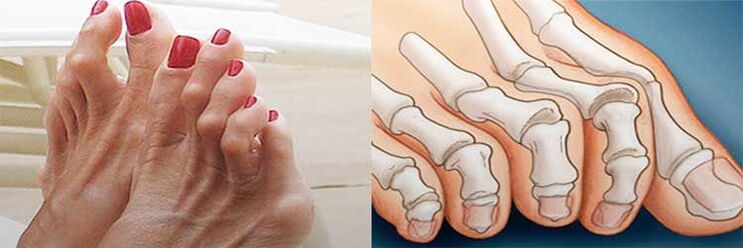
Planovalgus deformity of the foot increases the risk of ingrown toenails.And its deviation to the side with a strong curvature causes a change in the shape of the remaining fingers.As a result, they curve, take the shape of claws and the joints thicken.This is called a hammertoe deformity.
At the same time, in the area of the metatarsophalangeal joint, growth of the joint is also observed with the formation of a callus on its lateral surface, commonly called a mass or bone.This causes difficulties when choosing shoes and makes wearing the ones you already own uncomfortable.
Degrees of deformation
When planovalgus deformity of the foot occurs, 4 stages are distinguished, each accompanied by a certain set of symptoms.These are :
- Stage 1 – there is still no bony deformity in the foot, but sometimes pain occurs in the area of the posterior tibial tendon, especially after prolonged standing or walking.This can be complicated by tenosynovitis, which is inflammation of the posterior tibial tendon.And the angle of the heel in relation to the axis of the tibia does not exceed 10-15°.
- Stage 2 – there is a slight deformity of the foot with the heel bone dislocated by 15 to 20°.At the same time, at rest, that is, when a person is lying down, the feet acquire a normal shape.Since there is no rigidly fixed deformity yet, therapeutic massage is a very effective treatment method at this stage.But this does not eliminate the need to resort to other means of conservative therapy.
- Stage 3 – the foot deformity is already corrected.In this case, the joints of the rearfoot no longer lend themselves to passive movements.The angle of the heel in relation to the axis of the tibia is 20 to 30°.
- Stage 4 – the foot is severely deformed, completely flat, the axis of the ankle joint changes.When taking an x-ray and evaluating the images, a lateral tilt of the talus is visible.This is a direct sign of deltoid ligament insufficiency.The deviation of the heel from the axis of the tibia is 30° or more.
There are also degrees of flat feet.To diagnose them, the longitudinal arch angle and intermetatarsal angle are measured using x-ray images, as well as the arch height in millimeters.
Pathology tends to progress, especially quickly under the influence of factors that negatively affect the condition of the foot (obesity, frequent lifting and carrying heavy objects, prolonged standing, inappropriate shoes, etc.).
Diagnosis
If signs of planovalgus foot deformity appear, it is important to consult an orthopedist as quickly as possible.And although the disease can be diagnosed based on the results of the examination, the doctor always pays special attention to the history of the disease and the patient's life.The data obtained during the survey provides the doctor with important information, thanks to which it will be possible not only to determine the causes of the deformation, but also to develop an optimal treatment plan.
Particular attention is paid to the symptoms of the disease, the conditions of their occurrence and the features of their progression.The orthopedist must specify the nature of the pain, its location and duration, the presence of neurological disorders, the presence of restrictions on physical activity, etc.
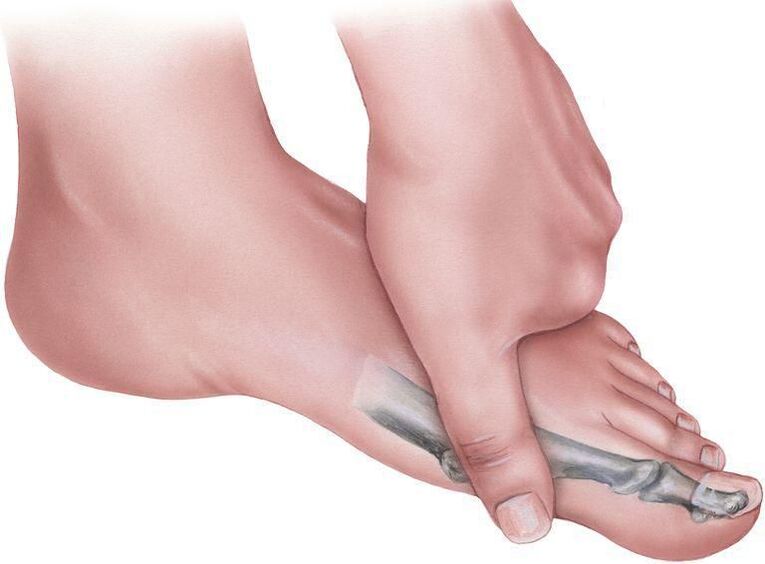
After that, an orthopedic examination is necessary.In this procedure, the doctor assesses the mobility of the tarsal joints by asking the patient to stand on tiptoes, performing passive movements, and performing other tests.The orthopedist also assesses the condition:
- vessels of the lower limbs;
- the skin of the feet and legs, its temperature, the nature of the distribution of hair;
- tenderness in feet and legs;
- muscle tone of the lower limbs.
All this makes it possible to determine the possible causes and consequences of the development of plano-valgus deformity of the foot.This allows you to select the most effective treatment tactics, which will be aimed at eliminating all existing disorders.
In addition, when diagnosing plano-valgus deformity of the foot, instrumental and laboratory research methods are necessarily prescribed to accurately determine the extent of changes in the foot and clarify the nature of the required therapeutic measures.This:
- x-ray of the feet in 3 projections;
- plantography;
- podometry;
- UAC and OAM;
- Ultrasound of joints.
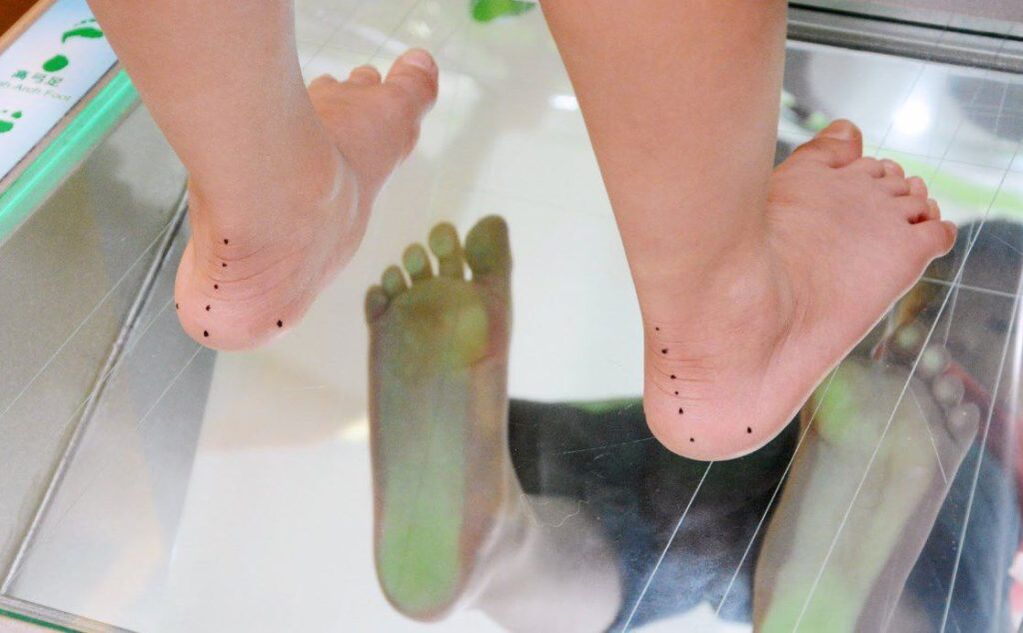
In cases of difficult diagnosis, a CT scan or MRI may be prescribed.These are modern methods for studying bones and soft tissues, respectively, providing the most accurate and detailed data on their condition.
Conservative treatment of planovalgus deformity of the foot
Almost always, treatment of planovalgus foot deformity begins with the appointment of conservative, that is, non-surgical treatment.Only at stages 3-4 of the disease can patients be immediately recommended for surgery.
Thus, conservative treatment of flatfoot-valgus is always complex.It consists of:
- use of individual orthopedic insoles;
- wear comfortable or orthopedic shoes;
- drug treatment;
- exercise therapy;
- therapeutic massages;
- kinesio recording;
- physiotherapy.
Additionally, patients will be advised to take steps to lose weight if signs of obesity are present and to avoid wearing tight shoes or high heels.From the moment plano-valgus deformity of the foot is diagnosed, you should choose and wear only comfortable shoes with a fairly wide toe and a wide, comfortable heel up to 3 cm high.They should be made from natural materials and not constrict the foot.
Shoes with completely flat soles such as ballet flats, Crocs or Uggs are also contraindicated.
All these methods aim to eliminate symptoms, improve the quality of life of patients and stop the progression of the deformity.But it is possible to completely cure flatfoot-valgus with their help only if the disorder is diagnosed at stage 1 in children.
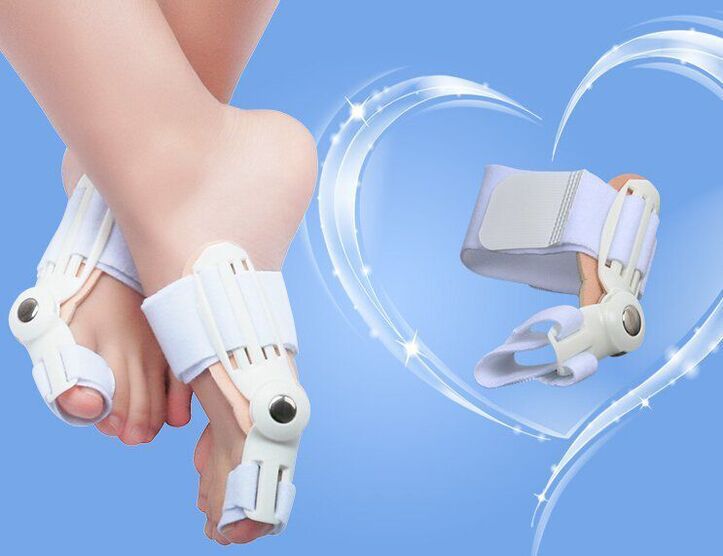
In cases of hallux valgus deformity of a toe, special orthotics may be prescribed to move it into the correct position.
All patients should understand that the course of planovalgus foot deformity is negatively affected by:
- smoking;
- the presence of chronic diseases that reduce immunity;
- violation of the doctor's recommendations regarding physical regime, choice of shoes, etc. ;
- hypothermia and overheating;
- the presence of other orthopedic disorders that negatively affect the biomechanics of the feet;
- osteoporosis;
- infectious diseases.
Therefore, patients should avoid exposure to these factors in order to increase the effectiveness of treatment.In addition, if 3 months after the start of conservative treatment and the implementation of all the measures prescribed by the doctor, patients continue to experience pain and there is no positive dynamics, this may be a reason to consider the question of surgery.
Custom orthopedic insoles and shoes
When diagnosing planovalgus foot deformity, regardless of its degree, patients should wear individually manufactured orthopedic insoles.They should be placed in ordinary shoes instead of the accompanying ones, and at later stages of the development of pathology - in special orthopedic shoes.
Due to the fact that they are manufactured separately based on the structural characteristics of the patient's left and right feet, they make it possible to give them the most anatomically correct position.It is the key to restoring normal biomechanics of movements, eliminating fatigue, swelling and pain in the legs.In addition, they restore the normal axis of the joints, which can significantly reduce the risk of complications.
Conventional mass-produced orthopedic insoles are not used for plano-valgus deformities of the foot.
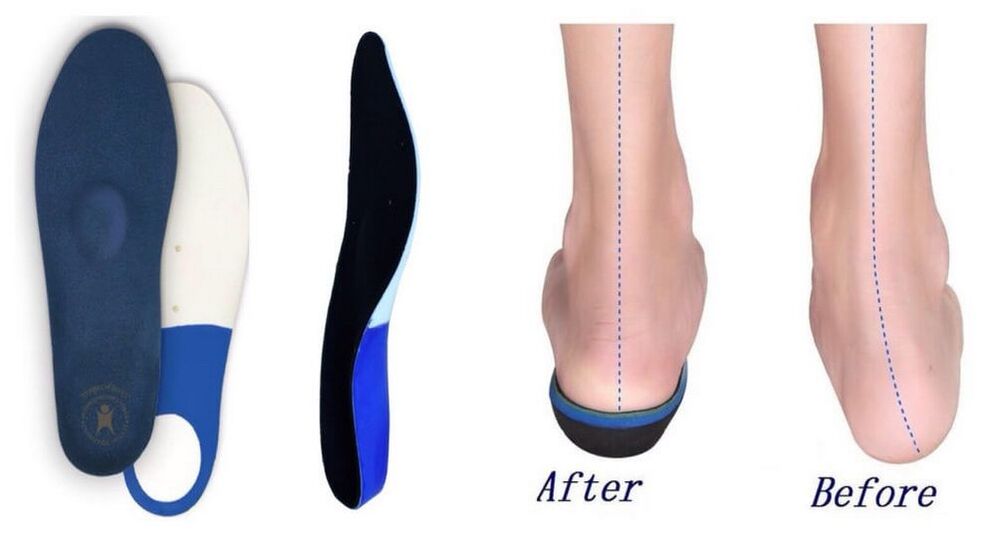
Thus, individual orthopedic insoles help to correctly distribute the load on the foot.This leads to training of overly relaxed muscles and relaxation of overworked muscles, that is, it directly affects the root cause of the development of flat feet.
The first days you need to walk with orthopedic insoles for 2-3 hours.This is because at first they will cause discomfort, as the leg needs to be readjusted to the correct position.Gradually, the duration of wearing the insoles increases, reaching the maximum possible.In most cases, patients get used to them and can wear them all day without problem after 2 weeks.
If the insoles are deformed or worn, they should be replaced with new ones.To do this, you will need to contact an orthopedist again, who will take individual measurements and send them to production with his comments.
Drug therapy
Drug treatment in the absence of complications related to planovalgus foot deformity is symptomatic.In other words, it aims to reduce the intensity of pain.For this purpose, patients are recommended to occasionally use NSAIDs in the form of products for internal use or ointments, gels and creams.They will help you quickly relieve pain and improve your well-being.
Drug treatment is also prescribed in case of undesirable consequences of flatfoot-valgus.These may include:
- corticosteroids – used to relieve severe inflammation, characteristic of bursitis, etc. ;
- means that improve blood circulation - prescribed for congestive processes in the foot and the appearance of signs of varicose veins;
- chondroprotectors - prescribed when degenerative-dystrophic changes occur in the joints, etc.
Exercise therapy
Physiotherapy is an integral part of the treatment of planovalgus foot deformity.It aims to strengthen the posterior and anterior tibial muscles, the peroneal muscle group and the gastrocnemius.
For each patient, the necessary set of exercises is selected individually, taking into account the degree of pathological changes, age and other factors.Typically, the following exercises are prescribed:
- roll any cylindrical or round object on the floor, such as a rolling pin or ball;
- walk on the toes then on the outer part of the feet;
- climb on an inclined board;
- working on an exercise bike or barefoot bike;
- grasp and lift small objects from the ground with your toes;
- grip and fold a newspaper or towel like an accordion with your toes;
- perform sliding movements with the foot of one leg on the shin of the other;
- sit in the “Turkish” position and get up.
Swimming has a very good effect on the condition of the feet.Therefore, if the patient has the opportunity, it is recommended to go to the swimming pool at least 2-3 times a week.
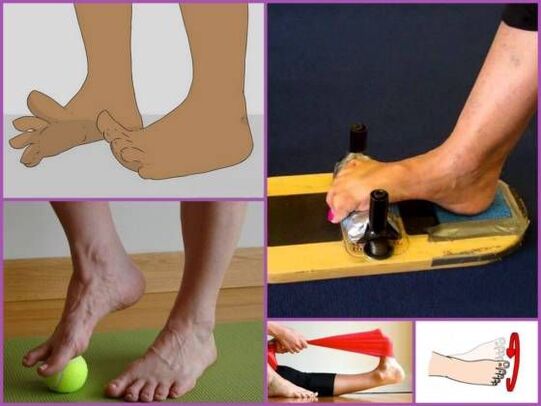
But exercise therapy must be practiced systematically.Therefore, classes should be conducted daily in a comfortable environment, without rushing.It wouldn't hurt to take off your shoes and roll a ball with your foot at any time, such as when working at the computer.This will help relieve stress on your feet and improve your well-being.
Physiotherapy
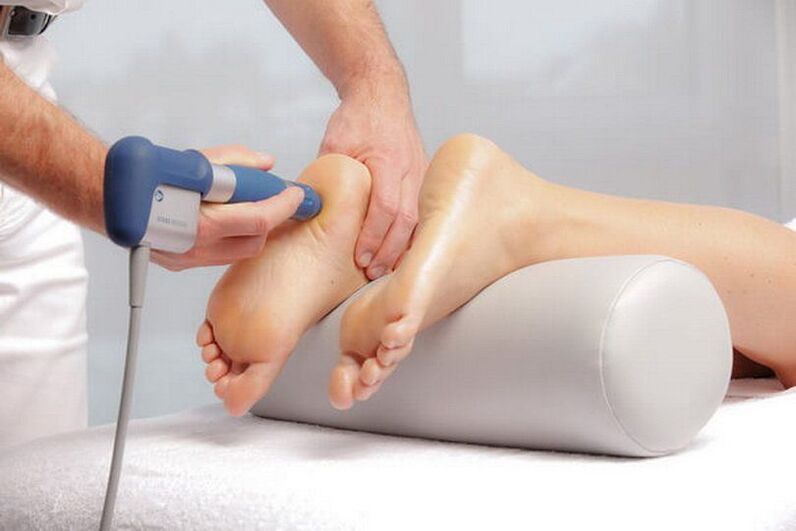
To increase the effectiveness of conservative treatment of valgus flatfoot, physiotherapeutic procedures are prescribed.They are indicated for foot deformities of grade 2 or higher and not only help reduce the severity of the disease, but also produce a therapeutic effect.
In case of planovalgus deformity of the foot, procedures are indicated that have an anti-inflammatory, analgesic and anti-edematous effect.But they can only be started in the absence of an acute inflammatory process.As a rule, they are prescribed:
- electrophoresis;
- magnetic therapy;
- diadynamic therapy;
- UVT;
- electrical stimulation of the muscles of the lower leg and foot;
- ozokerite and paraffin applications;
- mud therapy.
Kinesio recording
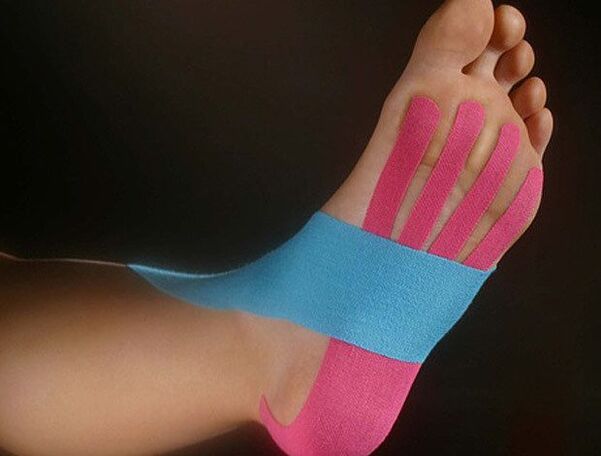
Kinesio taping is a new method of treating orthopedic disorders and the consequences of injuries in medicine, which involves gluing special elastic bands to the skin.They help to unload the necessary muscles and support others, as well as correctly distribute the load on the support points of the foot.But for taping to work, the doctor applying the taps must have a good understanding of the technique and anatomy.
The tapes are made from hypoallergenic materials and are applied for 5 days on average.You can wear any shoes with it, do sports, take a shower, etc.They do not bother at all and are practically not felt on the body.At the same time, the material of the strips breathes, which eliminates the risk of developing skin diseases.
Therapeutic massage
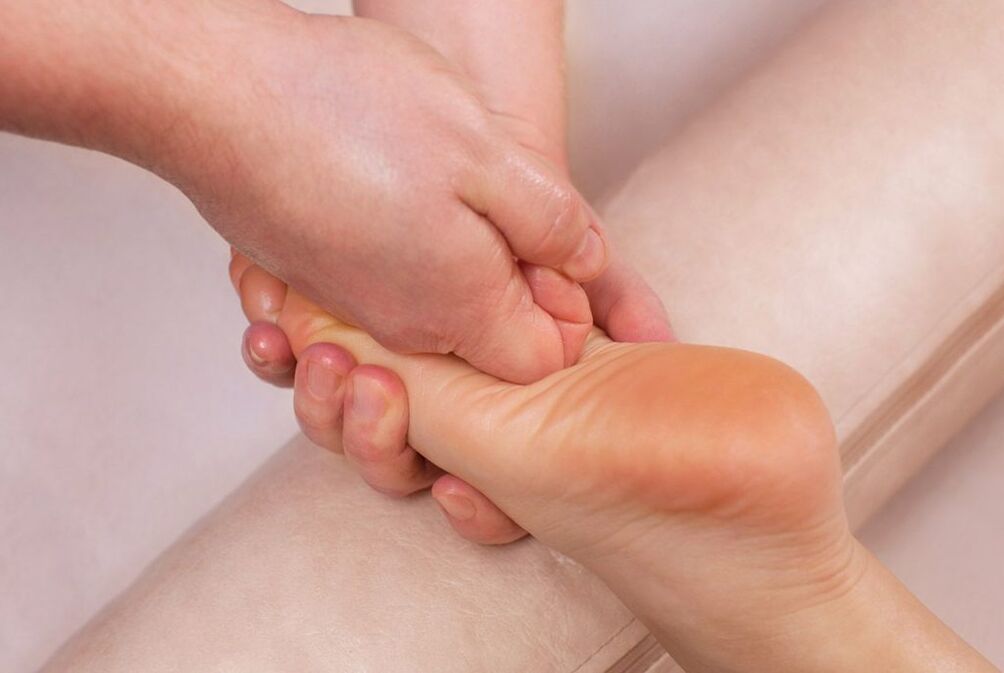
Massage for plano-valgus deformity of the foot aims to normalize the muscle tone of the lower limbs, develop the joints and improve trophism by activating blood circulation.So, during a therapeutic massage session, the doctor will pay attention not only to the feet and plantar muscles, but also to the muscles of the lower leg and thigh.
As a general rule, it is recommended to follow a course of therapeutic massage 4 times a year, consisting of 15 to 20 sessions.Thanks to them, there is a noticeable improvement in the condition of patients, the elimination of the most worrying symptoms of planovalgus foot deformity, or at least a decrease in their intensity.
An additional bonus will be the purchase of a special massage mat.Today there are many models from which you can choose the one that suits both adults and children.These rugs are distinguished by the presence of convexities of different shapes.Therefore, walking barefoot on it helps train the foot muscles and activate blood circulation.This has a positive effect on the condition of the feet and increases the effectiveness of conservative treatment of planovalgus deformity.
Thus, planovalgus foot deformity is a common orthopedic disease.This can significantly reduce a person's quality of life and lead to the development of serious complications.Therefore, it is important to diagnose a deviation from the norm as early as possible and undergo comprehensive treatment.But if planovalgus foot is diagnosed in adulthood, conservative treatment will only help prevent the progression of the deformity.However, in the initial forms of the disease, this is quite enough to restore normal quality of life and maintain the ability to lead an active lifestyle.In other cases, as well as when conservative treatment proves ineffective, the correct anatomy of the foot can be surgically restored.